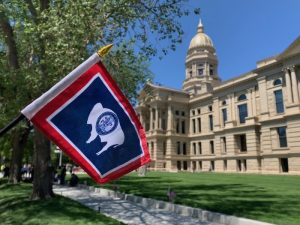
In just a few days, the 68th Legislature of the State of Wyoming will gavel in for the Budget Session. This 20 day short session will be a whirlwind of floor sessions, committee meetings, amendments, debates and votes.
That makes it even more critical that the public be effective in making themselves heard by the legislators. The Stewardship Action Guide came out of a book club in Sheridan that asked themselves “how do we stop just talking and start taking action.” Initially, that was going to be about 20 women at a private home. Within a week, it grew to 200 and the venue had changed to an auditorium. While practical advice was provided on how and when to reach legislators in session, the room was charged with a sense of “we can do this.” Emphasis on WE.
The Guide serves as a roadmap for individuals on making that difference. It can also be a blueprint for groups in other communities to get together and decide that their concern for city, county and state is more powerful than any differences they have on individual issues.
Because the short session primary purpose is to pass a biennium balanced budget as directed by our state Constitution, any proposed bill that is NOT the budget bill has an additional step for introduction. Two-thirds affirmative vote by those elected in the chamber of origin is required for introduction. Anything short of that and the bill dies.
If you want a bill defeated, having it fail on introduction is the cleanest, least time consuming method. Start now with making contact. This 2025 2026 Legislator Roster gives a single source to find all 93 legislators with their contact information and committee assignments. Note that clear and brief communications are the most effective. Recommendations are included in the Guide on how to do that.
All bills that make it through that hurdle will be assigned to committee. Focus your communication to the committee members when a bill of interest is on their agenda. You can find them by filtering on committee on the Roster. You need to also follow where the bill is in the process. The Legislative Process Budget Session identifies all the steps a bill has to make it through to become law. Public comment is only available at the time a bill is on consideration in committee.
Note how quickly deadlines occur. If you have a couple of friends looking at the same bills, work together. If you belong to an organization that tracks bills, make sure you sign up for their updates. Just do not get roped into mass emails. They clog the legislators inboxes and are counterproductive.